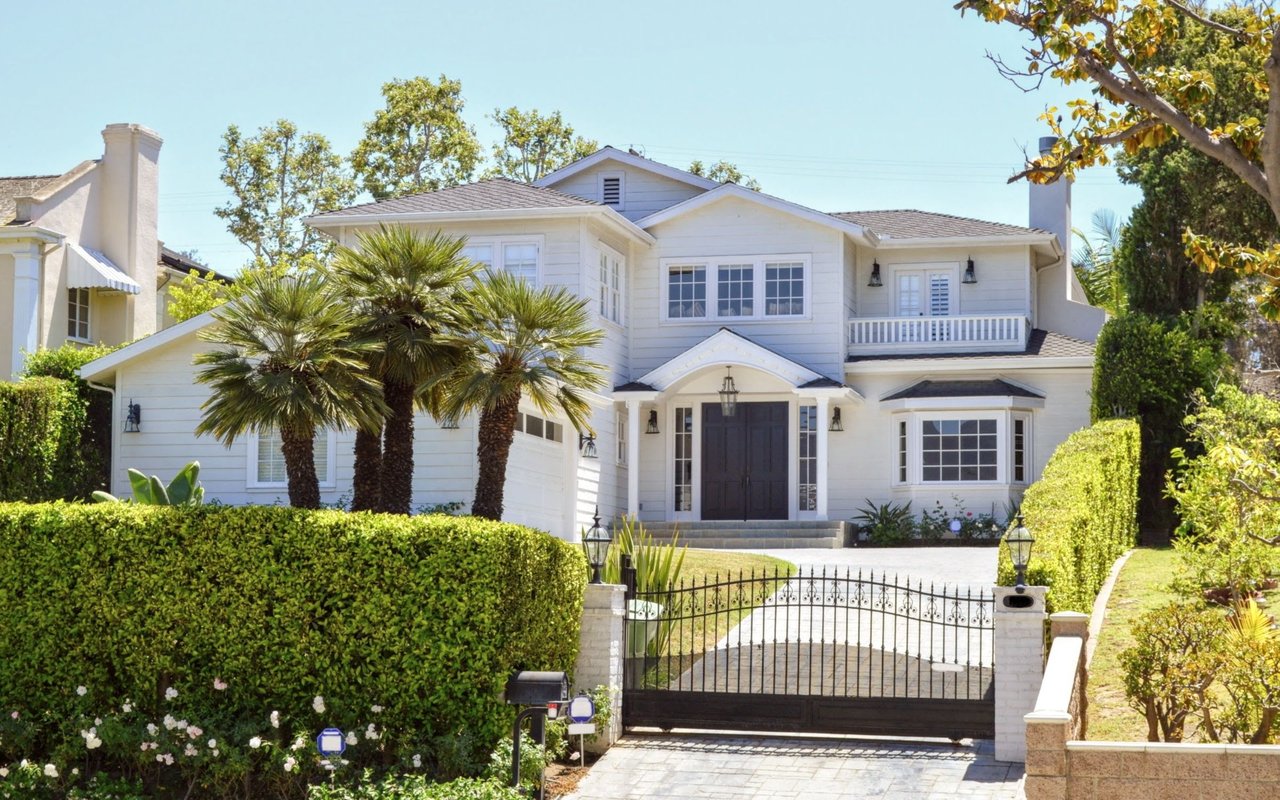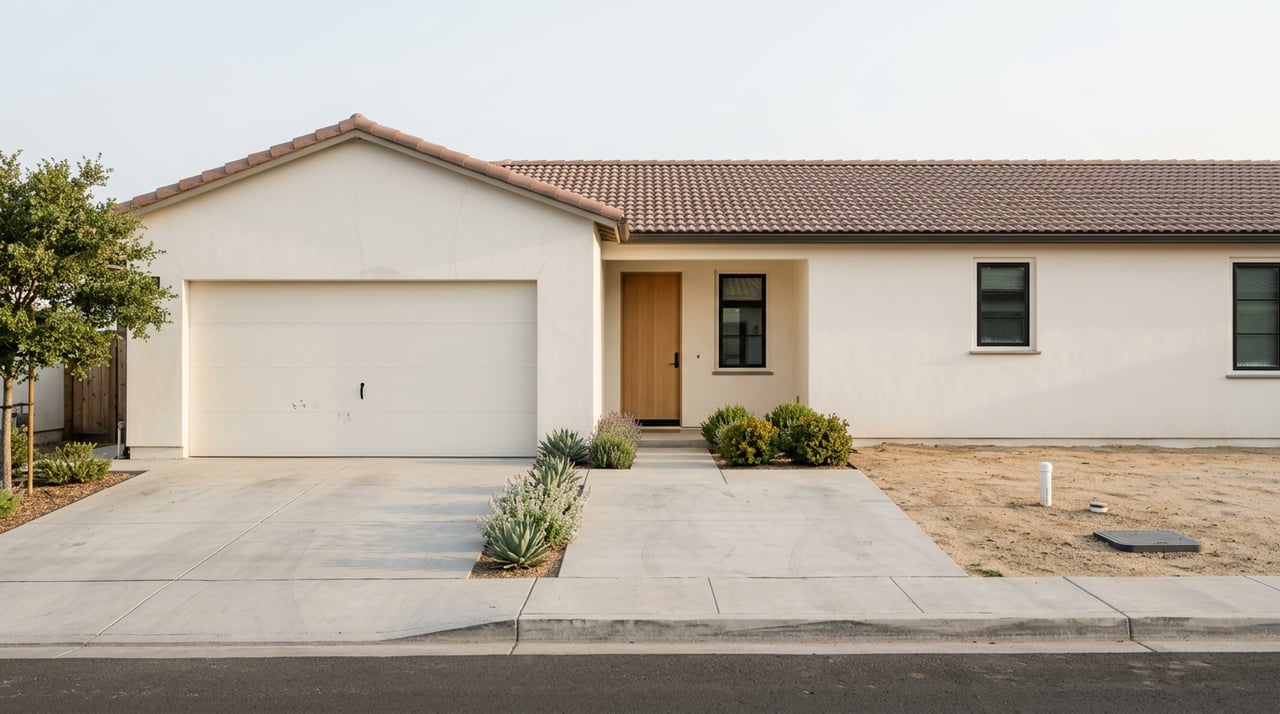
Thinking about buying a Nipomo lot to build from scratch or picking up a fixer to make your own? You are not alone. Many buyers love Nipomo’s blend of rural space and suburban convenience, but the right path depends on utilities, permits, timelines, and financing. In this guide, you will learn how to compare land and fixer options in Nipomo, spot deal-killers early, and map out your next steps with confidence. Let’s dive in.
Why your choice matters in Nipomo
Nipomo offers a unique mix of tract neighborhoods, golf communities, small suburban lots, and larger rural or agricultural parcels. That variety is part of the appeal and it also affects utility access, septic feasibility, and project timelines. Recent market snapshots show upper-tier pricing for the area, with an average home value around $912,628 by one vendor through January 31, 2026, and a median sale price reported near $1.18 million in late 2025 by another source. Treat those as signals rather than absolutes since vendor methods differ, then align your plan with on-the-ground due diligence.
Utilities and services checklist
Water and sewer: NCSD and zones
Many Nipomo parcels are served by the Nipomo Community Services District (NCSD) for water and sewer. If you plan to build or add bedrooms, budget for capacity and connection charges that vary by meter size. Review the current NCSD rate and fee schedules and request parcel-specific estimates early using the APN. See the NCSD overview on rate and fee schedules.
Some addresses fall inside a Sewer Prohibition Zone that restricts new septic discharges and may require connection to a public main under certain conditions. That can impact a vacant lot or a fixer with an older system. Confirm your parcel’s status with the NCSD guidance on the Sewer Prohibition Zone.
In neighborhoods like Blacklake, separate assessment districts and long-term bonds can appear on tax bills. Ask your title officer and HOA for any special assessments or recorded obligations that affect carrying costs and future resale.
Septic and wells: what to verify
Where public sewer is not available, San Luis Obispo County requires proof that a compliant onsite wastewater treatment system (OWTS) is feasible. That usually means a percolation test, soils or geotechnical report, and a septic design as part of your permit package. Costs vary by site conditions. Typical planning ranges cited for the region put conventional septic installs around $15,000 to $30,000 and alternative systems at $30,000 to $60,000 or more. Well drilling can range widely, often $10,000 to $50,000 depending on depth and geology. Use these as early budget placeholders and get local quotes. A practical primer with ranges is here: California permitting and cost considerations.
Power, internet, and safety
Electric distribution service in the area is delivered by PG&E, and some parcels are enrolled with a community choice energy provider for generation by default. If you are building, discuss transformer capacity, service drops, and panel sizes with your utility contact. You should also check address-level internet options early, especially if you rely on cable or fiber for work. Fire protection is provided by County Fire/CAL FIRE resources, which can factor into insurance and site planning, especially in higher fire severity areas.
Permits, timelines, and rules
Who issues permits
Unincorporated Nipomo permits are processed by the San Luis Obispo County Department of Planning and Building through its PermitSLO system. Straightforward work may be ministerial if it meets objective standards. Larger or more complex projects can require Site Plan Review or discretionary land use permits. Start with the County’s Site Plan Review page and consider a pre-application meeting to surface issues early.
The County is also updating the Nipomo Community Plan and a Public Facilities and Financing Plan. Policy and fee changes can affect long-term project costs and infrastructure assumptions. Track the Nipomo Community Plan update if you are modeling multi-year build scenarios.
Typical timelines
Timelines depend on scope and site. Local builders commonly report 12 to 18 months from pre-design to final for a straightforward new custom home, with longer windows for complex coastal or hillside sites. Expect plan check cycles, possible resubmittals, and lead times for specialized reports. For a local builder perspective on timing, review this guide to how long a custom home can take in SLO County.
Water conservation on the Mesa
Parts of Nipomo fall within the Nipomo Mesa Water Conservation Area. New development that increases non-agricultural water demand may need offsets or other measures. If you plan to build new, add units, or significantly increase water use, review the County’s rules on water conservation and offsets and model the added cost in your pro forma.
SB 9 potential
Some urban parcels may qualify for SB 9 urban lot splits or ministerial duplexes. Many parcels are excluded due to factors like environmental overlays, fire safety constraints, or sewer/septic limits. Before counting on a split or additional units, check the County’s SB 9 hub and mapping resources for SB 9 eligibility and procedures.
Costs and financing compared
Buying land: key costs
Pros include full design control and modern systems. The tradeoffs are financing complexity, utility costs, and time to build.
- Land and construction financing. Land loans often require larger down payments and carry higher rates than traditional mortgages. Many buyers use a construction or construction-to-permanent loan after closing on the lot. Read Bankrate’s overview on how to buy land and finance it, then compare options with a local lender.
- NCSD connections and site work. Budget for capacity charges and connection work if you need new water or sewer service. Start with NCSD’s rate and fee schedules and request a will-serve letter or written estimate tied to your APN.
- Septic or well. If public utilities are not at the lot line, plan for trenching, extensions, septic, or a well. Early soils and percolation studies reduce risk. See cost planning guidance for California at this permitting and cost guide.
- Timeline carry costs. Local builders often cite 12 to 18 months to move from design to occupancy on straightforward sites. Review this SLO County custom home timeline guide when modeling carrying costs.
Fixer-upper: scope and loans
Fixers give you an immediate structure, established setting, and often existing utility connections. The risk lies in hidden conditions and permit history.
- Rehab cost ranges. Remodeling ranges vary by scope, finishes, and systems. Mid-range projects can run $30 to $150 or more per square foot depending on complexity. Get a full inspection, review County permit history, and obtain at least three contractor bids.
- Purchase plus renovation loans. Programs like FHA 203(k) and conventional renovation products let you finance the purchase and rehab in one loan. Each has rules on scope, timelines, and draw schedules. Start with HUD’s overview of federal housing programs and ask a lender about FHA 203(k) and conventional renovation options that fit your plan.
Deal-killer checks before you write
Work through this Nipomo-specific list for any lot or fixer:
- NCSD service and fees. Is the parcel in the NCSD service area and what are current water and sewer capacity charges? Request written estimates tied to the APN using the NCSD rate and fee page.
- Sewer Prohibition Zone. If the property is in the zone, confirm mandatory connection triggers and compliance steps with the NCSD Sewer Prohibition Zone guidance.
- Septic feasibility. If not on public sewer, line up a percolation test and soils review before you waive contingencies. Early feasibility can prevent a dead-end permit path.
- Potable water source. Confirm an existing meter or a functioning well with recent test results. If neither, request a written will-serve or connection estimate.
- Assessments and HOAs. Ask your title officer to flag special assessments or bonds, and review HOA disclosures where applicable.
- Overlays and hazards. Check flood, fire, and environmental overlays in the County’s mapping tools and confirm likely permit paths using the County’s Site Plan Review page. If you are modeling water use increases on the Mesa, read the water conservation rules.
- SB 9 ambitions. For potential lot splits or added units, verify parcel eligibility with the County’s SB 9 resource page before you underwrite the deal.
Step-by-step next moves
If you are leaning toward a lot:
- Call NCSD for a will-serve letter and capacity charge estimate tied to your exact APN using the rate and fee schedules.
- Order a preliminary soils and percolation screen to confirm septic feasibility if sewer is not available.
- Book a pre-application consult with the County Planning counter and confirm your likely permit pathway using the Site Plan Review page.
- Talk to a lender about land and construction-to-permanent financing using Bankrate’s primer on buying and financing land as a starting point.
If you are leaning toward a fixer:
- Schedule a comprehensive inspection and pull County permit records for prior work.
- Get written bids from at least three licensed contractors for your planned scope.
- Compare renovation loan options like FHA 203(k) and conventional renovation products. Start with HUD’s program overview and ask lenders about timelines, draws, and approval requirements.
Ready to weigh a specific Nipomo property side by side? Our team helps you identify utility status, map permit paths, and coordinate the right local pros so you can make a confident choice. If you want a calm, experienced partner on the Central Coast, connect with Franklin Real Estate & Rentals to get started.
FAQs
What should I check first when buying a Nipomo lot?
- Confirm NCSD service, capacity charges, and any Sewer Prohibition Zone requirements, then verify septic or water feasibility and your likely County permit path.
How long does a new custom home take in unincorporated Nipomo?
- Straightforward sites often run 12 to 18 months from pre-design to occupancy, with longer timelines for complex sites or multi-agency reviews.
What is the Sewer Prohibition Zone in Nipomo?
- It is an NCSD policy area that restricts new septic discharges and can require connection to public sewer under certain conditions, which affects both lots and existing homes.
Can I use an FHA 203(k) loan to buy a fixer in Nipomo?
- Yes, many buyers use FHA 203(k) or conventional renovation loans to combine purchase and rehab costs, subject to program rules, timelines, and contractor requirements.
What is the Nipomo Mesa Water Conservation Area?
- Parts of Nipomo require water-use offsets or measures for new development that increases demand, so plan for added documentation and potential costs if you build or add units there.