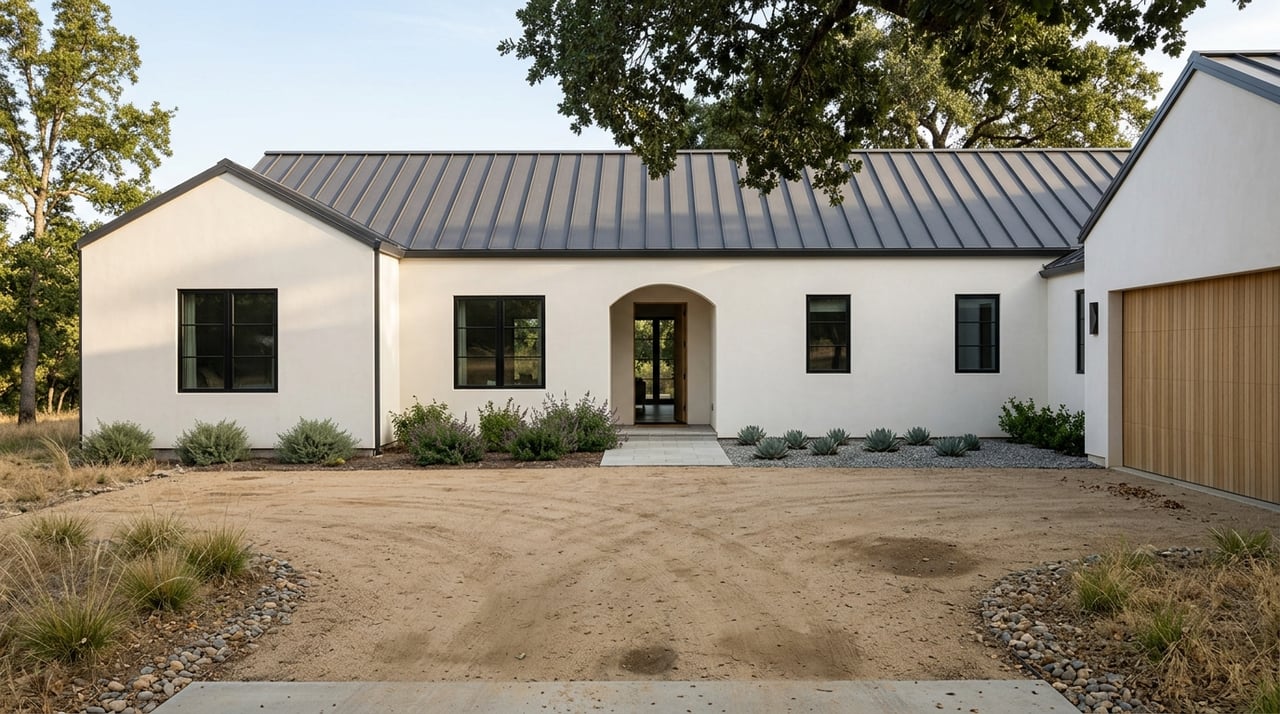
If you are dreaming about more space, privacy, and room to spread out near Santa Margarita, rural property can be incredibly appealing. It can also come with more moving parts than a typical in-town purchase, especially when it comes to water, septic, access, drainage, and fire readiness. Before you fall in love with the view, it helps to know what questions to ask and what details to verify. Let’s dive in.
Why rural property near Santa Margarita stands out
Santa Margarita is an unincorporated community in San Luis Obispo County with a setting shaped by ranch land, open space, and a small rural town core. County planning documents describe ranching activity and wildlife as visible parts of the local landscape, which gives the area a distinctly rural feel.
For many buyers, that is exactly the draw. You may be looking for usable land, more distance from neighbors, or a property that supports a quieter lifestyle. Around Santa Margarita, that often means balancing the beauty of open land with the reality of owning a property that may rely on more independent systems.
Access matters more than you think
Regional access around Santa Margarita runs through US-101 and State Route 58. The county identifies El Camino Real as the primary route through town, connecting Santa Margarita with Atascadero and Highway 101, while SR-58 extends southeast from town.
That matters because not every parcel feels equally connected. Properties closer to El Camino Real or the town core may offer easier day-to-day access, while outlying canyon or ranch parcels can feel much more remote depending on the road network and exact location.
Roads to know in the area
County materials identify several local access roads in the ranch area, including:
- El Camino Real
- Estrada Avenue
- West Pozo Road
- Wilhelmina Avenue
If you are considering a rural parcel, it is smart to look beyond the listing map. You will want to understand how you actually reach the property, how long the drive takes in real conditions, and whether access feels practical for your routine.
Utilities are often parcel-specific
One of the biggest differences between a rural purchase and a more typical residential purchase is infrastructure. Near Santa Margarita, utility service can vary significantly from one property to the next.
Water service can differ by location
In the unincorporated community of Santa Margarita, CSA 23 provides water and lighting. According to the county’s 2025 consumer confidence report, this system is entirely groundwater-based and draws from Wells #3 and #4. The report states that all water-quality standards were met in 2025, but it also notes that the shallow basin below Santa Margarita remains the community’s only water source, so conservation is still important.
Outside a public water service boundary, a property will likely need a private groundwater well. The county says private well water is not monitored by an outside agency, which means the owner is responsible for water safety.
If a property relies on a private well, ask questions early, including:
- What is the exact water source?
- Is there documentation on the well?
- Has the water been tested recently?
- Are there known limitations on production or storage?
Septic is standard, not sewer
Santa Margarita does not have a community-wide sewage collection and treatment system. County guidance says on-site septic systems are used instead.
That is common in rural areas, but it means the septic system deserves close attention during due diligence. The county recommends septic inspection and pumping every 3 to 5 years, and the Santa Margarita Community Plan notes that older septic systems had a 19% failure rate during seasonal flooding because of clay soils and poor drainage.
For buyers, that makes septic history important. You will want to confirm whether the system was permitted, whether it has been serviced, and whether the site conditions could affect long-term performance.
Power and internet need verification
PG&E service territory materials place Santa Margarita in the company’s Central Coast service area, so electric service is generally available. Even so, rural buyers should verify line capacity, meter access, and outage preparedness for the specific parcel they are considering.
Internet also needs address-level verification. In a rural setting, available service can change from one property to another, and mobile coverage can depend heavily on terrain. Parcel-by-parcel testing is the safest approach if reliable internet or cell service matters to your work or daily routine.
Land use is not one-size-fits-all
One of the easiest mistakes buyers make with rural property is assuming that acreage automatically means flexibility. In reality, the allowed use of a parcel depends on its land-use designation and site-specific conditions.
County policy describes the Santa Margarita area as a mix of Residential Rural, Agriculture, Rural Lands, and Open Space patterns. Residential Rural is intended for low-density housing that fits a rural lifestyle and may include uses like hobby farming or horse raising.
The county framework also outlines broad parcel-size ranges, including:
- Residential Rural: roughly 5 to 20 acres
- Agriculture and Rural Lands: roughly 20 to 320 acres
These categories help explain why the area includes such a wide mix of properties. County documents describe the land outside the town core as open space, agricultural land, rural residential uses, scattered homesites in Tassajera Canyon, large ranch parcels, small-acreage hobby farms, vineyards, and cattle grazing.
Check parcel rules before making plans
If you are picturing a future shop, accessory structure, animals, or a new home site, verify the parcel first. San Luis Obispo County’s Land Use View tool allows buyers to search parcel-level land-use information by address or parcel number.
This step can help you avoid expensive assumptions. A parcel may look ideal on paper, but the actual use potential should be confirmed before you build your plans around it.
Drainage and flood concerns deserve a close look
Rural property buyers often focus first on views, acreage, and privacy. Those are important, but site conditions may have a bigger impact on long-term ownership than the scenery.
In Santa Margarita, drainage deserves real attention. The community plan says clay soils and poor storm drainage have historically complicated septic performance, and it identifies Santa Margarita Creek and Yerba Buena Creek as flood-prone areas.
County guidance also notes that FEMA map changes can affect insurance and development. Before you move forward on a property, check the parcel against current flood maps and review how water moves across the site during wetter periods.
Questions to ask about drainage
A few practical questions can help you spot issues early:
- Does water collect anywhere on the property?
- Is the home site elevated or low-lying?
- Has the septic system been affected by wet seasons?
- Are nearby creeks or drainage channels a concern?
These details can shape both ownership costs and future improvement plans.
Wildfire review is part of smart due diligence
Wildfire readiness is another major factor for rural property near Santa Margarita. CAL FIRE explains that Fire Hazard Severity Zones are based on vegetation, topography, weather, fire history, and ember spread.
County guidance in 2025 notes that updated hazard zones now support stronger construction and defensible-space expectations. It also notes that State Responsibility Areas are typically rural, unincorporated regions with significant wildland vegetation, which makes parcel-specific verification especially important.
For a buyer, this is not just about a map classification. It can affect how you think about maintenance, insurance conversations, improvement costs, and day-to-day preparedness.
A practical rural property checklist
If you are seriously considering property near Santa Margarita, keep your due diligence focused on the basics that matter most in this area.
Key items to verify
- Exact water source and available records
- Septic permit status and recent service history
- Road maintenance responsibility
- Legal access easements
- Flood-prone location or drainage concerns
- Fire hazard zone status
- Electric service details
- Reliable internet and cell coverage by address
This kind of checklist may not be as exciting as walking acreage at sunset, but it is often what separates a great rural purchase from a frustrating one.
The Santa Margarita tradeoff
The appeal of rural property near Santa Margarita is easy to understand. You may get open space, privacy, visible ranch country, and a setting that feels very different from a more built-out neighborhood.
The tradeoff is that ownership often becomes more hands-on. County materials point to local concerns that include drainage and flood control, water supply, street lighting, traffic, and vegetation or debris control for fire safety. In other words, the property may offer more freedom, but it may also ask more of you as an owner.
That is why local guidance and careful review matter so much here. The right property can be a great fit, but the right fit usually comes from clear expectations, not guesswork.
If you are weighing land, a rural home, or a more remote parcel near Santa Margarita, working with a local team that understands Central Coast property details can make the process much smoother. Connect with Franklin Real Estate & Rentals to explore your options with practical local insight.
FAQs
What should you check first when buying rural property near Santa Margarita?
- Start with the basics: water source, septic system, legal access, road maintenance, flood exposure, fire hazard status, and internet availability for the exact parcel.
Does Santa Margarita have public water and sewer service?
- In the unincorporated community, CSA 23 provides water and lighting, but Santa Margarita does not have a community-wide sewage collection and treatment system, so on-site septic systems are used.
Why is septic due diligence important for Santa Margarita rural property?
- County guidance recommends septic inspection and pumping every 3 to 5 years, and local planning documents note that older systems have had failures during seasonal flooding because of clay soils and poor drainage.
How can you verify land use for a Santa Margarita parcel?
- San Luis Obispo County provides a Land Use View tool that lets you search parcel-level land-use information by address or parcel number before you assume a property can support certain uses or improvements.
Are wildfire and flood risk both concerns near Santa Margarita?
- Yes. County and state guidance support parcel-specific review of both flood-prone conditions and Fire Hazard Severity Zone status before you move forward with a purchase.
Is internet service reliable on rural property near Santa Margarita?
- It depends on the exact address and terrain, so parcel-by-parcel verification and real-world testing are the safest approach in rural areas.