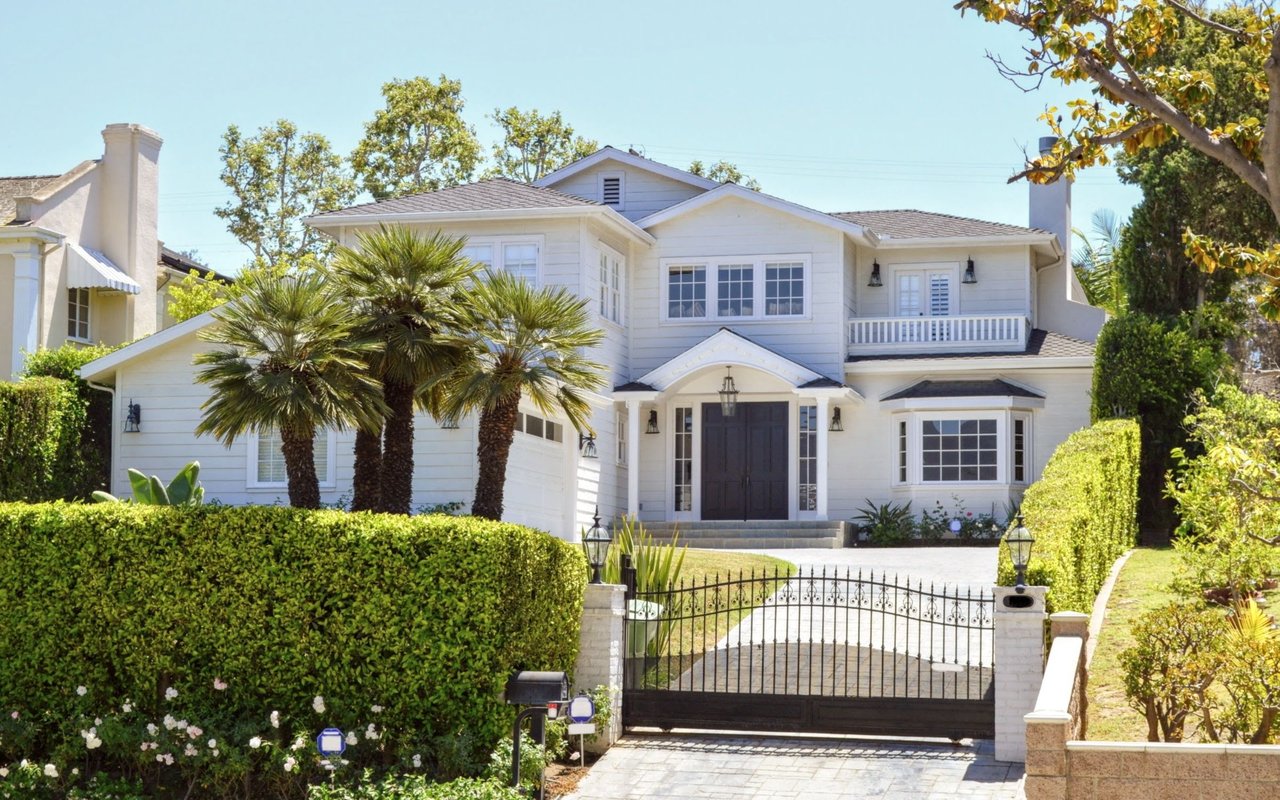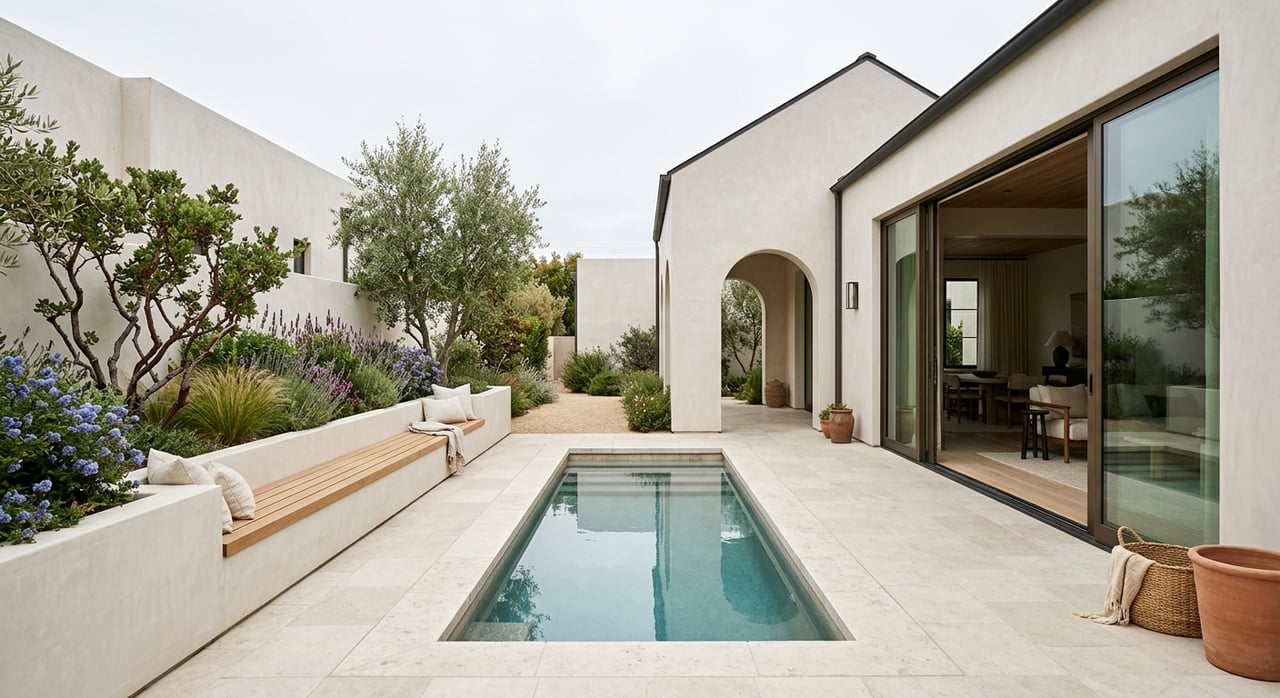
Thinking about buying in Pebble Beach and wondering why the numbers never seem to tell the whole story? You are not imagining it. In 93953, the luxury market works differently than a typical neighborhood search, and small details like view corridor, lot setting, permit potential, and access can change value in a big way. If you want to buy with more clarity and less guesswork, this guide will show you how the scenic coast luxury market really works. Let’s dive in.
Why 93953 Works Differently
Pebble Beach is not a standard city neighborhood. It sits within Del Monte Forest, an almost entirely privately held coastal area with about seven miles of shoreline, and the Pebble Beach Company owns the private road system and much of the undeveloped land, according to Monterey County planning documents.
That matters because when you buy here, you are not just comparing homes on a map. You are evaluating property inside a managed coastal enclave where access, land use, surrounding ownership, and resort adjacency all shape value.
Pebble Beach is also unincorporated. The Pebble Beach Community Services District provides fire and EMS, wastewater, recycled water, garbage and recycling, supplemental law enforcement, and utility undergrounding, while Monterey County covers broader public functions for the unincorporated coast.
For you as a buyer, this means the service picture can look different from what you might expect in an incorporated city. It is worth understanding how district services, road access, and infrastructure planning affect day-to-day ownership.
The Market Is Luxury First
Luxury coastal markets tend to move at a different pace than conventional neighborhoods. Nationally, Redfin reported that U.S. luxury homes took a median of 58 days to sell in October 2025, and Realtor.com found that million-dollar-plus listings spent 75 days on market in early 2025, compared with 64 days for homes priced under $1 million.
That pattern helps explain why some Pebble Beach properties seem to sit while others move quickly. At the top end, buyers are often more selective, and properties are more unique, so there may be few truly comparable sales.
In a market like 93953, square footage is only part of the story. View, frontage, privacy, lot usability, architectural quality, and proximity to major resort and golf amenities can matter just as much, if not more.
What Current Pricing Really Says
Broad market snapshots can be useful, but they are only a starting point. Realtor.com’s Pebble Beach market page for March 2026 showed a median listing price of $3.01 million, 46 homes for sale, a median price per square foot of $1,143, median days on market of 46 days, and a 94% sale-to-list ratio.
That same source showed ZIP code 93953 at a median home price of $3.7495 million with 46 properties for sale. Meanwhile, Realtor.com’s Del Monte Forest overview showed a median for-sale price of $3.525 million, 44 active listings, 92 days on market, and a 97% sale-to-list ratio.
Those figures are not identical, and that is the point. In this area, the result can change depending on whether a report tracks Pebble Beach broadly, Del Monte Forest, active listings, closed sales, or a different date range.
Why Market Reports Conflict
If you have looked at multiple reports and felt confused, that is completely normal. One report may measure current asking prices, another may track closed sales, and each may use a different time window or property set.
In 93953, those differences can create very different headlines. The research even showed a contrast where Realtor.com’s February 2026 Pebble Beach page described the area as a buyer’s market, while its Del Monte Forest page still leaned seller-side.
The practical lesson is simple: micro-market definitions matter. You should not treat one ZIP-code average as a perfect pricing guide for a property on a specific street, lot type, or view line.
Micro-Markets Drive Value
One of the biggest mistakes luxury buyers make is relying too heavily on broad averages. In Pebble Beach, value is often set by a much narrower comp set that reflects the exact location and property profile.
A home near coastal frontage is not priced the same way as a forested interior property. A property with stronger lot usability may command a different response than one with more site constraints, even if the homes look similar on paper.
That is why buyers do best when they compare recent closed sales in the same view corridor, lot type, and condition band. In this market, that approach is usually more useful than countywide, citywide, or even wider Pebble Beach averages.
Access and Ownership Matter More Here
In many markets, road access is just background information. In Pebble Beach, it is part of the ownership experience.
The area has a formalized entry structure, and day guests currently pay $12.25 per vehicle to enter 17-Mile Drive, according to the Pebble Beach Community Services District’s utility undergrounding page. That does not define home value by itself, but it helps show that this is a managed coastal setting rather than a typical suburban street grid.
The county also notes that the Pebble Beach Company owns and operates major resort assets and golf courses in the forest. For buyers, that means amenity location and proximity can influence both appeal and pricing.
Utility Resilience Is Part of Due Diligence
Because Pebble Beach is both coastal and forested, infrastructure questions deserve extra attention. The district specifically says outages can last longer than in surrounding areas, which is one reason utility lines are being undergrounded.
That is an important ownership detail, especially if you are purchasing a primary residence, second home, or property you plan to hold long term. A smart buyer looks beyond finishes and floor plans to understand how a property functions in real conditions.
Before you move forward, confirm the service picture through the district’s services information. That includes wastewater and sewer, recycled water, garbage and recycling, fire and EMS, supplemental law enforcement, and any access or infrastructure considerations that affect your property.
Permits Can Affect Your Long-Term Plans
If you think you may remodel, expand, regrade, add features, or change site access later, permit review should be part of your buying process now. In the coastal zone, a Coastal Development Permit may be required, and the California Coastal Commission defines development broadly.
That broad definition can include construction, additions, grading, vegetation removal, land divisions, and even changes to access such as fences or gates. A Coastal Development Permit is separate from other approvals, so it is important not to assume a future project will be simple.
Monterey County’s Del Monte Forest land use plan also explains that the county coastal zone is implemented through the local coastal program, and some permit decisions remain appealable to the Coastal Commission. If your purchase decision depends on future changes, permit timing and process deserve careful review.
How Buyers Can Compete Wisely
In a selective luxury market, preparation matters. The strongest approach is usually to show up ready, stay precise, and tie your offer to the property’s true micro-market rather than to a headline number.
That often means:
- Having financing lined up or proof of funds ready
- Reviewing recent comparable closed sales with a narrow lens
- Understanding permit implications if future changes matter to you
- Confirming district services and infrastructure details early
- Separating lifestyle appeal from resale fundamentals
This kind of preparation helps you make a cleaner decision and gives you a more credible position when it is time to negotiate.
What This Means for You
If you are buying in 93953, the luxury market is not random. It just rewards a more detailed reading of the property, the setting, and the ownership structure.
The buyers who do best here usually focus on specifics, not slogans. They study the exact comp set, ask better due diligence questions, and understand that a scenic coastal property can carry both premium value and added complexity.
When you approach Pebble Beach with that mindset, you are in a much better position to spot real opportunity and avoid expensive assumptions. If you want a practical, local-minded partner to help you evaluate coastal real estate with clarity, connect with Franklin Real Estate & Rentals.
FAQs
What makes the Pebble Beach 93953 market different from other luxury markets?
- Pebble Beach sits within a privately managed coastal enclave in Del Monte Forest, with unique ownership, access, service, and land-use factors that can affect value beyond standard neighborhood comparisons.
Why do some Pebble Beach homes take longer to sell?
- Luxury homes often have fewer direct comparables and a more selective buyer pool, so unique properties can take longer to match with the right buyer.
Why can two Pebble Beach market reports show different numbers?
- One report may track active listings while another tracks closed sales, and each may use different time periods or geographic boundaries such as Pebble Beach, Del Monte Forest, or ZIP code 93953.
What should buyers verify before making an offer in Pebble Beach?
- Buyers should review the true comp set for the exact property, ask about district services, understand utility resilience, and check whether future changes may require coastal permitting.
Do remodels or site changes in Pebble Beach require special permits?
- They can, because coastal-zone development may require a Coastal Development Permit, and that can apply to additions, grading, vegetation removal, land divisions, and some access changes.
How should buyers evaluate value in the Pebble Beach luxury market?
- Buyers should compare recent closed sales in the same view corridor, lot type, and condition range instead of relying only on broad median prices for the wider area.