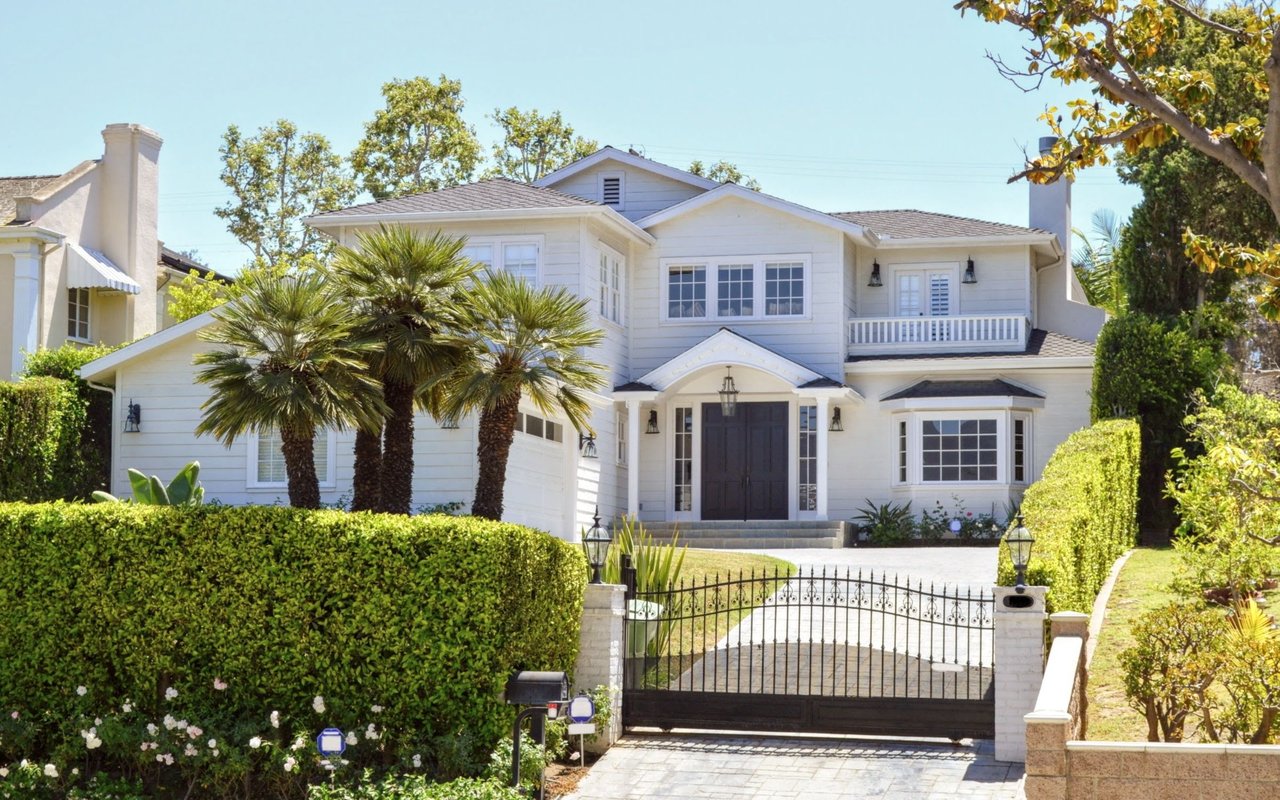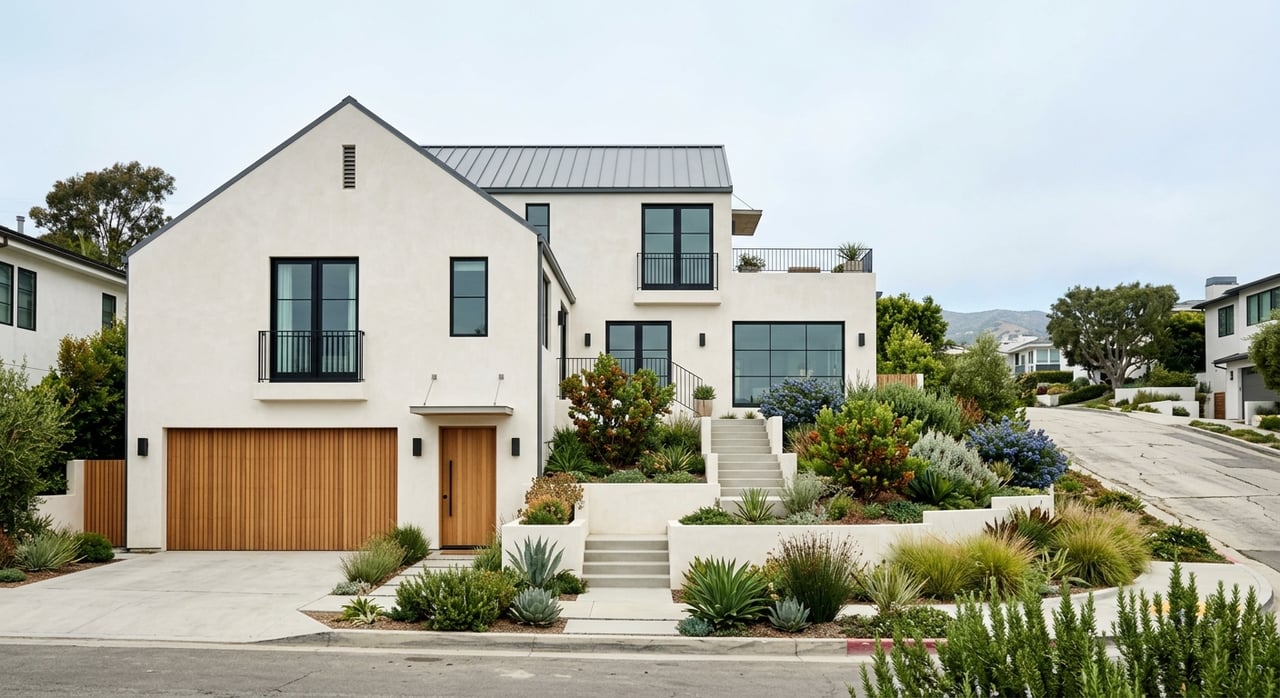
If you are searching for a home in Morro Bay, one of the first things you notice is that the city does not sort itself into simple, one-size-fits-all neighborhoods. One block may feel close to harbor activity and daily errands, while another feels quiet, beachy, or tucked near open space. Understanding those differences can help you focus your search, avoid surprises, and choose a part of town that fits how you want to live. Let’s dive in.
How Morro Bay is laid out
Morro Bay is shaped by the Pacific Ocean on the west side and undeveloped land around much of its edges. According to the city’s planning framework, Morro Bay is often better understood through character areas, topography, and lifestyle patterns than through one standard neighborhood map.
That matters as a buyer because nearby areas can feel very different. The city’s design guidance notes that neighborhood compatibility is shaped by things like landscaping, pedestrian routes, street improvements, building materials, home scale, height, setbacks, and spacing between homes. In other words, your day-to-day experience may change a lot from one section of Morro Bay to the next, even within a short distance.
As a practical shorthand, the north and east sides tend to feel more residential, the west waterfront tends to be more commercial and pedestrian-oriented, and the south end tends to be more wooded and park-adjacent. That pattern is based on the city’s planning documents, not on formal neighborhood labels, but it is a helpful way to start narrowing your search.
Downtown and waterfront living
If your ideal Morro Bay lifestyle includes walking near the harbor, grabbing coffee, enjoying dining options, and spending time in public waterfront spaces, Downtown and the Embarcadero edge are the places to understand first. The city describes Downtown as a mixed-use area with residential, retail, office, service-commercial, tourist-serving, and mixed uses, while the Embarcadero has the city’s most iconic maritime setting.
This part of town has an urban-coastal feel compared with the rest of Morro Bay. The area includes older buildings, a wide mix of building styles, prominent trees, and a stronger pedestrian focus than most residential sections of the city. If you want energy and access, this is usually the strongest fit.
There is an important tradeoff, though. According to the city, residential development west of the Embarcadero is prohibited, and development east of it is limited and may require a conditional use permit. That means true waterfront housing is limited, so this area is usually more about location and lifestyle than a large selection of detached homes. You can review the city’s description of these character areas in the Draft EIR for Plan Morro Bay.
North Morro Bay for residential balance
North Morro Bay covers much of the city’s northern side east of Highway 1. The city describes it as mostly residential, with primarily one- and two-story single-family homes that are generally newer than homes in Downtown and Morro Heights.
For many buyers, this area offers a useful middle ground. You may find a more residential setting while still staying connected to services and key routes. The city also notes that many homes here have views of the ocean and Morro Rock, which adds to the appeal for buyers who want a coastal setting without being right in the busiest visitor-oriented areas.
The nearby North Main corridor also supports everyday convenience. The city’s planning direction calls for neighborhood-scale, walkable shopping and service clusters there, and the corridor transitions from more commercial uses on the south end to more residential areas farther north. That makes North Morro Bay a strong option if you want a practical mix of neighborhood feel and access to errands.
Beach Tract for direct beach access
If being close to the sand is your top priority, the Beach Tract deserves a close look. This area sits west of Highway 1, north of the Cloisters, and along the beach. The city describes it as a single-family residential neighborhood where suburban-style homes predominate and beach access is abundant.
One of the biggest practical advantages here is the layout. The city describes the area as nearly flat, which can make the street pattern easier to navigate and the setting easier to understand when you are comparing homes. For buyers who want a simple beach-neighborhood feel, that can be a big plus.
The city also states that single-story development is the long-term expectation in order to protect ocean views. That planning direction is worth understanding if you are thinking long term about what nearby homes may look like over time. More details appear in the city’s General Plan and Local Coastal Program.
Cloisters for a planned beach-side setting
The Cloisters is a smaller beach-side subarea that often stands out for buyers who want a more planned residential environment. City records show the Cloisters Housing Development was completed in 1989 with 124 lots, including 120 single-family residential lots, plus park and open-space lots and a fire station lot.
Cloisters Park adds beach access ways, a wetland, and a neighborhood park setting. The city’s design guidance for the area emphasizes high-quality, compatible site, building, and landscape design, which helps explain why this section can feel visually cohesive.
For coastal buyers, the Cloisters often works well if you want beach access and a residential setting without the more mixed-use atmosphere found closer to Downtown. You can see the city’s historical record on the neighborhood in its assessment districts information.
Del Mar as a smaller local pocket
Del Mar is better thought of as a smaller local pocket on the northeast side than as one of the city’s main planning areas. Still, it is useful to mention because local buyers often hear the name during their search.
The city identifies Del Mar Park as a neighborhood park, and city information notes that Del Mar became part of Morro Bay when the city incorporated in 1964. In practical terms, this makes Del Mar a helpful shorthand for the older northeast residential pocket around the park and nearby streets.
If you are comparing homes in this area, think of it less as a separate destination and more as one of Morro Bay’s established residential pockets.
Morro Heights for views and hillside character
Morro Heights offers one of the clearest hillside identities in Morro Bay’s residential core. The city describes it as a single-family neighborhood on a hill overlooking the bay near the south end of the city.
This area stands out for lot shape and home variety. Compared with other residential areas, Morro Heights has more irregular lots and more variation in home design. The south end also includes tall eucalyptus and cypress trees along with a large rock outcropping, which adds to its distinct visual character.
If your search centers on views, elevation, and a less uniform neighborhood feel, Morro Heights is often the strongest match. The tradeoff may be a hillier setting and less emphasis on quick daily errands than you would find closer to Downtown or North Main.
South end near State Park and estuary
The south end of Morro Bay has a very different feel from the city’s beach-side and central residential areas. The State Park and Estuary character area includes much of Morro Bay State Park, which the city says contains a golf course, campground, marina, boat launch, hiking trails, and other uses.
This part of town is described as the most wooded residential area in Morro Bay, with hilly topography and large eucalyptus and cypress trees. Residential development here is fairly limited or extremely limited, which is important if you are hoping for a wider selection of homes.
For some buyers, that limited-housing setting is exactly the appeal. If you want a park-adjacent environment with a more natural feel, this area can be a strong fit. If you want more housing choice or closer access to daily shopping, other parts of Morro Bay may be more practical.
Where daily convenience is strongest
Not every buyer wants the same thing. Some people prioritize beach access or views, while others want to make grocery runs, coffee stops, and daily errands as easy as possible.
Downtown is Morro Bay’s strongest convenience hub. The city’s bicycle and pedestrian master plan identifies Downtown as a local destination with retail stores, restaurants, coffee shops, a movie theater, and a music store, and it notes that Main Street closes to through traffic on Saturday afternoons for the farmers market.
The same city plan identifies Quintana Road as a commercial center with auto services and larger tenants such as Albertsons and Rite Aid, while North Main Street includes Spencer’s Market and several restaurants. The Highway 1 commercial area also includes City Hall, the Veterans Hall, the Community Center, a grocery store, a gas station, and other service-commercial uses. You can explore these details in the city’s Bicycle and Pedestrian Master Plan.
For buyers, the takeaway is simple:
- Downtown and the Embarcadero edge fit best if you want walkable activity and harbor access.
- North Morro Bay works well if you want a residential setting with some nearby services.
- Beach Tract and Cloisters are stronger for beach access than for errands.
- Morro Heights is a better fit for views and hillside character.
- The south end offers a more wooded, park-adjacent setting with more limited housing.
A smart step before you buy
Because Morro Bay sits largely within the coastal zone and includes several special planning areas, buyers should not assume every property has the same renovation or rebuild flexibility. The city notes that a property may fall under the Waterfront Master Plan, North Main Street Specific Plan, Beach Street Specific Plan, or Cloisters Design Guidelines.
That is one reason local guidance matters in Morro Bay. A home’s location can affect not just how it feels to live there, but also what future changes may require in terms of review and approvals. Checking those details early can help you move forward with more confidence.
If you want help narrowing down the right Morro Bay neighborhood for your goals, Franklin Real Estate & Rentals can help you compare areas, understand property context, and make a more informed coastal home search.
FAQs
What is the best Morro Bay area for walkability and harbor access?
- Downtown and the Embarcadero edge are generally the best fit if you want to be closest to harbor activity, dining, and walkable public spaces.
Which Morro Bay neighborhoods are best for beach access?
- Beach Tract and Cloisters are usually the top choices for direct beach access and a more residential beach-side setting.
What part of Morro Bay has more single-family homes?
- North Morro Bay is described by the city as mostly residential, with primarily one- and two-story single-family homes.
Where should I look in Morro Bay for view homes?
- Morro Heights is often the strongest option if you want hillside character, bay views, and more variation in lot shape and home design.
Are there special planning rules for Morro Bay properties?
- Yes. Depending on location, a property may fall under a specific plan or design-guideline area, so it is smart to verify that before assuming renovation or rebuild options will match another part of town.