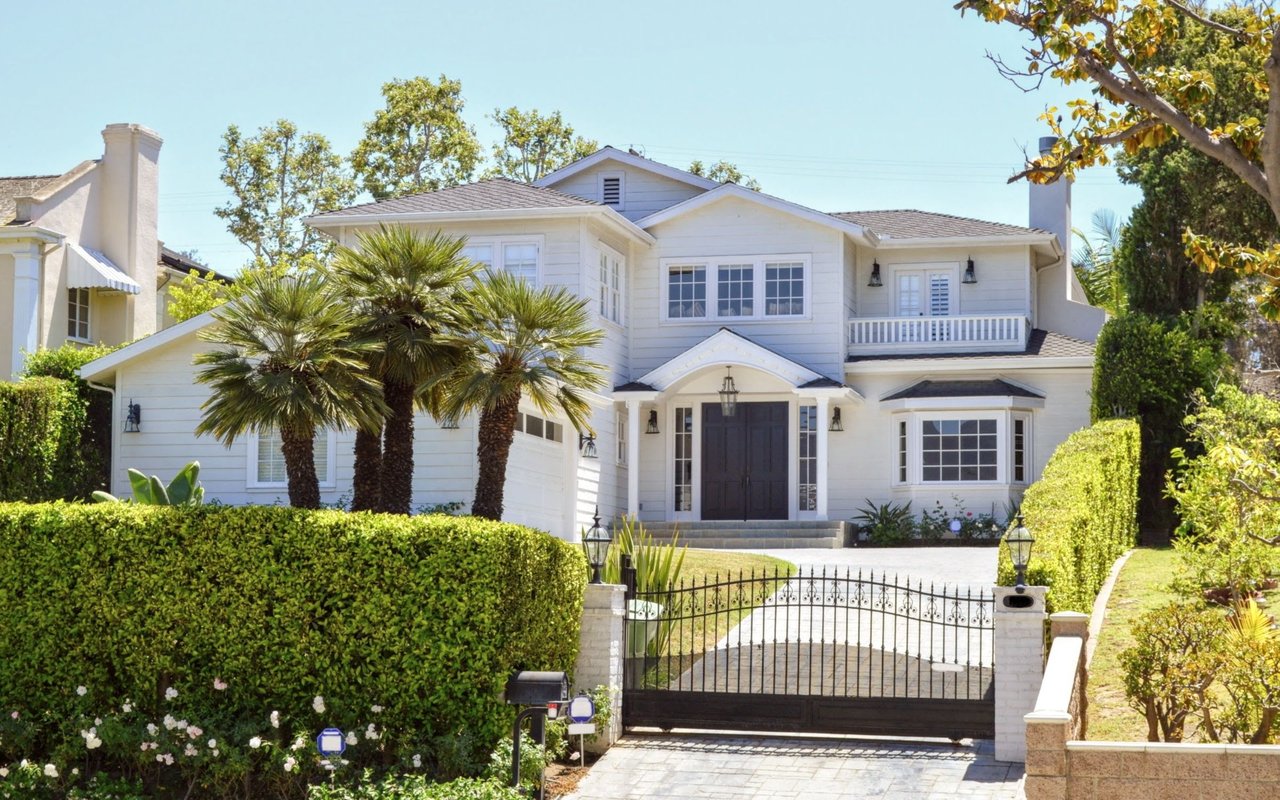
Thinking about buying a rental in Paso Robles? The numbers can look promising, but success comes from knowing the local market, the rules, and the day-to-day costs. If you understand where demand comes from, how rents are trending, and what the city expects from owners, you can plan clear cash flow and fewer surprises. In this guide, you’ll get a practical snapshot of rents, expenses, tenant demand, and regulations so you can make a confident plan for your next investment. Let’s dive in.
Paso Robles rental snapshot
Paso Robles is a small city with a mixed housing stock and a steady renter base. According to the latest U.S. Census QuickFacts, about 60% of homes are owner occupied, with the remainder renter occupied. The city’s median gross rent sits around $1,947, and the median owner-occupied home value is about $648,400. These figures provide helpful context, not exact pricing for any one property. You can view the city’s profile in the U.S. Census QuickFacts for Paso Robles.
Rents and comps to use
Most 1–2 bedroom apartment listings in Paso Robles cluster in the low to mid $2,000s. Apartment databases show many advertised rents in the $2,000 to $2,500 range for modern 1–2 bedroom units. To see live examples and confirm street-level comps, browse Paso Robles apartment listings and market averages.
For a conservative benchmark, check HUD’s Fair Market Rents for San Luis Obispo County. The FY2025 2-bedroom FMR is $2,156 for the San Luis Obispo–Paso Robles MSA. That is useful when underwriting, screening for voucher compatibility, or setting expectations on the midpoint of the market. Review the San Luis Obispo County FY2025 Fair Market Rents.
Vacancy patterns
Newer apartment deliveries can temporarily soften asking rents until units are absorbed. In practice, that means micro-neighborhoods can move differently for a few quarters. When pricing your unit, use HUD FMR as a baseline and layer in 3–5 recent, like-kind listings within the past 30 to 60 days.
Who rents in Paso Robles
Tenant demand in Paso Robles is grounded in local jobs and steady in-migration to the region. Regional planning points to hospitality and agriculture as important employers, alongside healthcare, manufacturing, and local government.
- Tourism and hospitality: Wine country tourism, tasting rooms, and restaurant jobs support a year-round base with peaks around spring through fall. The UPLIFT Central Coast Regional Plan highlights these sectors as regional drivers.
- Seasonal events: The California Mid-State Fair draws significant visitors and short-term jobs each July. While this strongly affects short-term rentals, it mostly influences long-term rental turnover timing rather than year-long rent levels.
- Agriculture and steady employers: Vineyards, orchards, and food processing add seasonal and year-round roles. Healthcare, light manufacturing, schools, and city or county jobs add non-seasonal stability.
The takeaway: if you aim for long-term rentals, your core tenants often work in hospitality, agriculture, healthcare, education, and public service. Lease timing and renewals often bunch in late spring and summer, which is helpful to plan for showings and turns.
Long-term vs. short-term rentals
Short-term rentals are permitted in Paso Robles, but they are regulated. The city runs a permit program with rules for host-occupied and non-hosted listings, plus renewal and enforcement steps. If you intend to operate an STR or convert a long-term rental to STR use, confirm the rules and permit availability first. You can review the city’s Short-Term Rental program and permit guidance.
For most investors focused on stable cash flow, long-term rentals align well with Paso Robles’ job base. STRs can capture visitor demand but come with permitting and neighbor-complaint protocols. Model both paths before you buy so you understand revenue volatility, operating rules, and staffing needs.
Property types to target
- Single-family homes: A large share of the local housing stock. These can attract longer-term tenants and families seeking yards and garages. Budget for landscaping and occasional larger capital items like roofs and HVAC.
- Small garden-style communities: Townhomes and smaller apartment properties offer efficiency on maintenance and utilities. Newer purpose-built apartments in the city can influence nearby pricing and concessions.
- Rural or edge-of-town parcels: Some properties near Paso Robles may have well and septic systems. During due diligence, confirm water source, septic age and service history, and any private road or driveway maintenance responsibility. These details affect both rentability and long-term costs.
Budget the true costs
Every rental in Paso Robles has predictable and variable expenses. Build your pro forma with realistic local numbers and get quotes early.
Fixed costs to confirm
- Property taxes: California’s Prop 13 sets a base rate near 1% of assessed value, but your actual bill includes voter-approved bonds and special assessments. Pull the APN and review the full tax bill for parcel-level charges using county resources. Learn how these direct charges work on the SLO County special assessments page.
- Insurance: Obtain landlord and hazard coverage quotes before you close. Fire hazard designations can affect premiums and availability. Local officials have adopted updated hazard severity zones, and owners should plan for defensible-space work. See regional coverage on hazard zone adoption and insurance context in this KCBX report.
Operating reserves and variables
- Maintenance and repairs: Common planning ranges include reserving about 1% of property value annually for general upkeep or setting aside 5–10% of gross rent for routine repairs and a basic reserve. Use these as planning ranges, not promises. See an overview of industry guidance in this maintenance cost guide.
- Vacancy and turnover: In stable markets, many investors budget roughly 5–8% of gross rent for vacancy and turnover. Calibrate this to your unit type and seasonality. Here is a simple overview of vacancy allowance in cash-flow planning.
- Capital expenditures: Big-ticket items such as roofs, HVAC, water heaters, and septic work are not routine maintenance. Many owners create a separate capex reserve, often 5–8% of gross rent or a set annual amount tied to known lifecycles. See a plain-English explainer on capex reserves.
- HOA and utilities: If the property is in an HOA, include dues and confirm what dues cover. Clarify who pays for water, trash, and other utilities in the lease.
Property management fees
Local property managers serving Paso Robles commonly quote monthly management fees in the 6–8% range for single-family homes, with separate tenant placement or leasing fees. Renewal fees, maintenance coordination charges, and markups vary by firm. Collect multiple proposals and compare line items before you commit.
Compliance must-knows
- State tenant protections: California’s AB 1482 sets a rent cap for many covered units at 5% plus local CPI, up to a 10% maximum in a 12-month period. It also establishes just-cause eviction rules. Some properties are exempt, including many single-family homes under specific conditions and new construction within a rolling 15-year window. Review the bill text and consult local counsel when in doubt. Read the AB 1482 bill text.
- City STR permits: Paso Robles requires permits for short-term rentals and enforces complaints and renewals. Review the city’s STR permit guidance if you plan to host.
- Weed abatement and defensible space: The city and county publish defensible-space requirements and seasonal abatement rules. These can affect owner costs and should be reflected in your lease. For updates and programs, monitor Paso Robles city notices.
Due diligence checklist
Use this quick list before you write an offer or finalize pricing.
- Confirm utilities: City water and sewer, or well and septic. If well/septic, request inspections and service history.
- Pull the full property tax bill: Check parcel-level special assessments and bonds on the county site. Start with the SLO County special assessments page.
- Get insurance quotes: Include structure, liability, and any wildfire or flood endorsements. Review the parcel’s fire-hazard designation. Regional hazard zone adoption is summarized in this KCBX report.
- Build your rent comp set: Review 3–6 recent like-kind listings and check the Paso Robles apartment market overview. Use the FY2025 2-bedroom FMR of $2,156 as a conservative benchmark.
- Verify permits and programs: Ask the city if any rental registration or inspections apply. If you are considering STR income, review the short-term rental permit rules.
- Price management support: Collect at least two local property management proposals with full fee schedules and services.
Self-manage or hire
Self-management can work if you live nearby, have time for showings and 24/7 calls, and understand California landlord-tenant law. You will handle screening, lease execution, rent collection, maintenance coordination, and accounting.
Hiring a local property manager is usually worth it if you live out of the area, own several units, or want a hands-off experience. A good manager will recommend market rent, handle legal notices, coordinate vendors, manage emergencies, and keep you compliant with local rules. Expect a monthly fee plus tenant placement and possible renewal or coordination charges. Always ask for a full, itemized fee schedule.
Questions to ask a manager
- What is your market rent recommendation and comp set for my unit?
- How do you screen tenants? What approval criteria do you use?
- How do you handle maintenance, after-hours emergencies, and vendor markups?
- Which lease forms do you use, and who is your legal counsel for updates?
- What software do you use for statements and owner reporting?
- Can you share current local owner references?
Sample expense checklist
Use this to build a clear cash-flow model for a Paso Robles rental. Adjust the percentages for your property and quotes.
- Mortgage principal and interest
- Property taxes, including parcel-level assessments
- Landlord and hazard insurance
- Property management fee (if applicable)
- Vacancy allowance (commonly 5–8% of gross rent)
- Maintenance reserve (for routine repairs)
- Capital expenditure reserve (for big-ticket items)
- HOA dues (if applicable)
- Owner-paid utilities or services (trash, water, landscaping)
- Licensing or permit fees (if STR)
When you assemble your pro forma, pair the city-level context with current, like-kind comps and HUD FMR. Then stress-test your numbers for a slow-lease scenario or one extra turn in a 12-month period.
Ready to invest with a local partner who can help you acquire, lease, and manage in one place? Reach out to Franklin Real Estate & Rentals for a local rent recommendation, a management proposal, or to explore listings that fit your goals. Request a Home Valuation to see how your current property could perform as a rental or what it might sell for in today’s market.
FAQs
What are typical 2-bedroom rents in Paso Robles?
- Many apartment listings show 2-bedroom units in the $2,000 to $2,500 range, and the FY2025 HUD Fair Market Rent for a 2-bedroom in the county is $2,156, which is a helpful underwriting benchmark.
Does California’s AB 1482 rent cap apply to my single-family rental?
- AB 1482 covers many units with a 5% plus CPI rent cap (up to 10%) and just-cause rules, but some single-family homes are exempt under specific conditions and newer construction is exempt for 15 years; confirm with counsel and review the bill text.
Are short-term rentals allowed in Paso Robles?
- Yes, but you need a city STR permit and must follow the city’s operating and renewal rules, so do not assume you can convert a long-term unit to STR use without permits.
How much vacancy should I budget in Paso Robles?
- Many investors set aside roughly 5–8% of gross rent for vacancy and turnover in stable markets, then adjust for seasonality and the specific unit type.
How do seasonal events affect long-term rentals in Paso Robles?
- Visitor peaks around wine season and the Mid-State Fair can influence turnover timing and contractor availability, but long-term rent levels are mostly driven by local jobs and steady demand rather than festival weeks.