Thinking about trimming or removing an oak on the Nipomo Mesa? You’re right to pause. On the Mesa, oaks are part of a sensitive landscape with clear county rules and strong community interest. In this guide, you’ll learn when permits apply, how wildfire defensible space fits in, and the safest way to plan work without risking fines or damage to your property. Let’s dive in.
Why oaks matter on the Nipomo Mesa
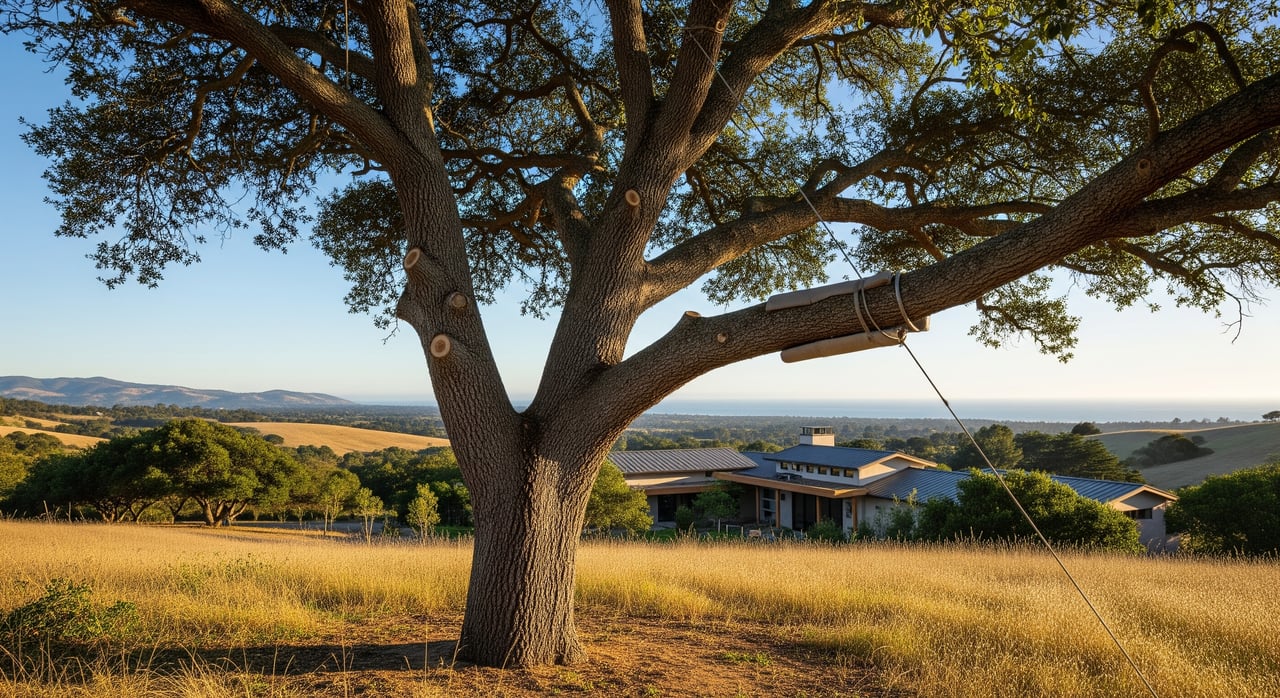
Oak woodlands on the Mesa, especially coast live oaks, anchor a unique mix of habitats with real benefits for erosion control and wildlife. You can see how these plant communities fit together in the Nipomo Native Garden’s local habitat overview.
The area also supports rare species, such as the Nipomo Mesa lupine, a federally listed plant documented by the U.S. Fish & Wildlife Service. Because of this ecology and ongoing land use discussions, large tree work draws attention. Planning carefully helps you stay compliant and be a good neighbor.
County rules: when permits apply
San Luis Obispo County regulates oak woodlands in unincorporated areas, which includes parts of the Nipomo Mesa. The county defines an Oak Woodland as a contiguous grouping of mostly oaks covering more than one acre, including stands within 500 feet of the woodland. Start with the county’s Oak Woodland Tree Removal guidance to confirm what applies to your parcel.
Clear-cutting thresholds
Clear-cutting means removing contiguous oaks across one acre or more within an Oak Woodland. Clear-cutting on slopes of 30 percent or more is prohibited. Over a 10-year period, removing more than 1 acre and up to 3 acres requires a Minor Use Permit. More than 3 acres requires a Conditional Use Permit.
Heritage Oaks and single trees
A “Heritage Oak” is an individual oak with a diameter at breast height (DBH) of 48 inches or more, measured 4.5 feet above ground, and separated from other stands by at least 500 feet. Removing a Heritage Oak requires a Minor Use Permit. If you’re dealing with a single tree in a yard that is not a Heritage Oak and not part of an Oak Woodland, county oak rules usually do not apply, but you should still verify with Planning.
Common exemptions
Exemptions can include emergency actions, defensible space or fuel reduction, certain residential development, public utility work, conservation easements, fence lines, and legally required fire breaks. These are narrowly interpreted. Document your work and coordinate with County Planning and fire officials when in doubt.
Enforcement matters
SLO County strengthened its oak ordinance after high-profile clear-cutting incidents. Unauthorized removal can trigger fines and public hearings, as reported by the San Luis Obispo Tribune. When work is large or complex, involve qualified professionals and the county early.
Defensible space and wildfire safety
California requires defensible space around structures, commonly described as Zones 0 to 2 out to 100 feet or the property line. Review CAL FIRE’s defensible space guidance to understand what is expected.
San Luis Obispo County Fire promotes the same concepts and runs inspections. Their local overview of defensible space is a helpful reference point: wildfire prevention starts with 100 feet. Defensible space work is generally treated differently from discretionary oak removal, but coordination is key.
Coordinate and document work
If your goal is wildfire safety, note that fuel reduction can qualify as an exemption. To avoid confusion later, document your work with the local fire authority and notify County Planning when needed. Keep photos, inspection notes, and any correspondence.
A step-by-step plan before you cut
- Confirm location and coverage. Verify whether your property is in unincorporated SLO County and whether the trees are part of an Oak Woodland or qualify as a Heritage Oak. Contact County Planning.
- Define the purpose. If the work is for defensible space, reach out to CAL FIRE or SLO County Fire to confirm methods and document compliance.
- Bring in a qualified pro. Hire an ISA Certified Arborist for DBH measurements, risk assessments, and permit support. You can find credentialed arborists through the ISA directory.
- Plan for scale. For multi-tree removals or canopy changes, expect that an Oak Management Plan and permits may apply. Ask about timing and mitigation early.
Best practices for safe oak work
- Protect roots and soil. Fence a Tree Protection Zone at least to the dripline. Keep vehicles, stockpiles, and trenching outside this zone. Low-impact utility methods help, as outlined by UC IPM’s tree protection guidance.
- Prune with restraint. Follow ANSI/ISA standards and limit pruning to what is needed for safety and clearance. Coast live oaks tolerate careful pruning, not severe canopy removal.
- Stabilize and monitor. After any disturbance, monitor trees for stress and adjust irrigation if appropriate. Put responsibilities for monitoring and corrective actions in your contractor’s scope.
For buyers and sellers on the Mesa
If you plan to sell, tree work can affect your timeline, disclosures, and inspections. Defensible space documentation may be requested in high hazard areas, and large removals can require permits or public review. If you are buying, an early arborist assessment helps you understand DBH, condition, and any Heritage Oak or Oak Woodland issues that could affect future plans.
Aim to align safety, compliance, and presentation. A clean defensible space, documented properly, can reduce insurance friction while preserving the oak character that buyers value.
The bottom line
On the Nipomo Mesa, oak care is about stewardship and compliance. Know when county rules apply, document defensible space work, and use qualified professionals to keep your property safe and your project on track. A little planning now protects you from costly delays later.
Ready to talk through a plan for your Nipomo property or upcoming sale? Connect with Franklin Real Estate & Rentals for local guidance rooted in Central Coast experience.
FAQs
Do I need a permit to remove one oak in my yard?
- Usually not, unless the tree is part of an Oak Woodland or qualifies as a Heritage Oak; always confirm with SLO County Planning first.
What is a Heritage Oak in SLO County?
- An oak that is 48 inches DBH or larger, measured 4.5 feet above ground, and at least 500 feet from oak stands; removal needs a Minor Use Permit.
How do defensible space rules affect oak removal near my home?
- Fuel reduction for defensible space is often an allowed exemption, but you should document work with the fire authority and coordinate with County Planning when needed.
How is DBH measured and why does it matter?
- DBH is the trunk diameter measured 4.5 feet above ground and determines Heritage Oak status; see this guide to measuring DBH and have an arborist verify it.
Who should I contact before starting tree work on the Mesa?
- Start with SLO County Planning for oak-related rules, contact CAL FIRE or SLO County Fire for defensible space, and hire an ISA Certified Arborist for measurements and risk assessments.