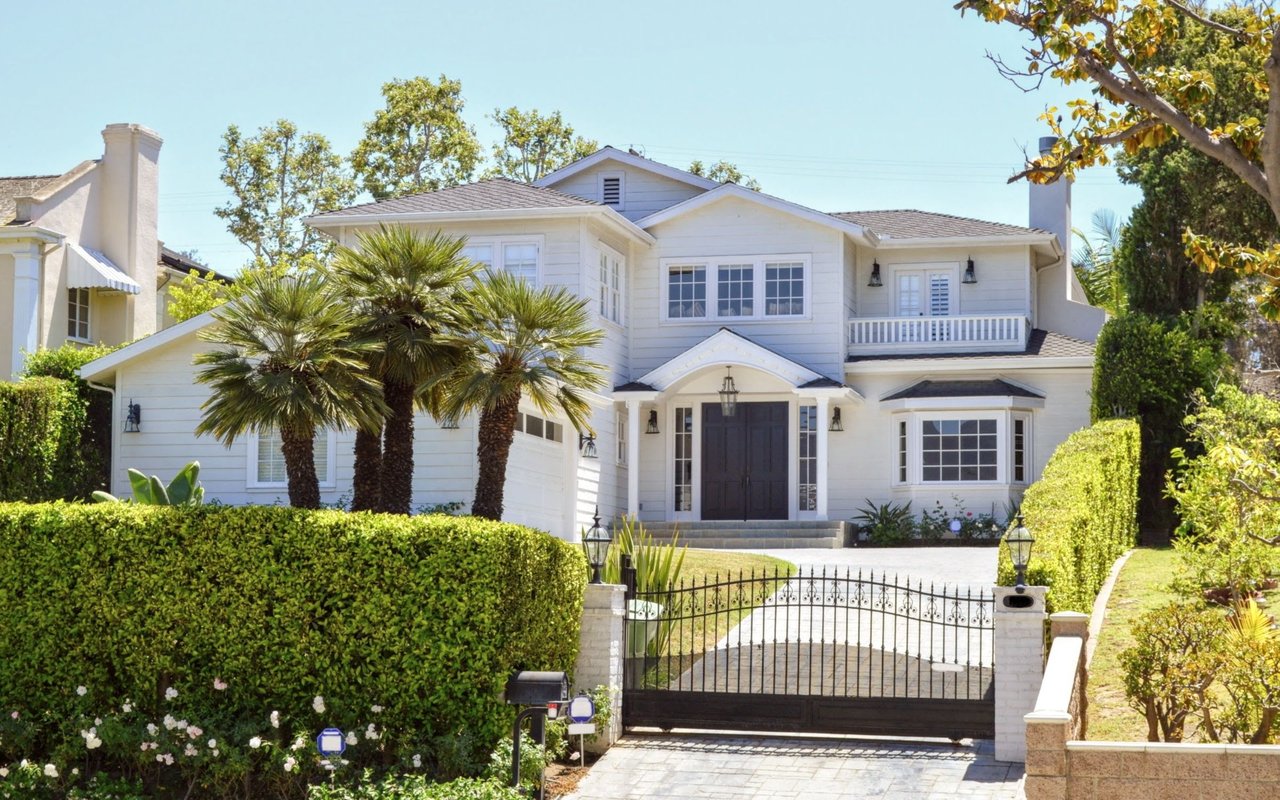
Thinking about turning your Los Osos home into a rental? With steady coastal demand and a lifestyle that draws long-term renters, it can be a reliable way to build income if you plan it well. You want clear numbers, simple systems, and confidence you are following California and San Luis Obispo County rules. In this guide, you will learn how to price, budget, comply, and decide whether to self-manage or hire local help. Let’s dive in.
Why Los Osos rentals work
Los Osos is a small coastal community of roughly 14,000 people with a median age near 49 and a median household income around $109,000. That mix often attracts stable, longer-term renters who value quiet neighborhoods and the coast. You also benefit from commuter and remote-worker demand driven by nearby San Luis Obispo, Morro Bay, and other employment hubs. Census data on Los Osos supports this profile.
As of March 2026, average rent across unit types in Los Osos is about $2,450 per month. That is modest compared with the San Luis Obispo city core, which can pull some renters west for better value near the coast. Use current listings and true comps to set your asking rent, and adjust for condition, parking, included utilities, and proximity to services.
What drives demand
- Coastal lifestyle that appeals to retirees and downsizers seeking low-turnover housing. Local demographics point to a higher median age.
- Remote workers and commuters who prefer Los Osos living and accept a short drive to SLO.
- Local workforce renters who value stable, long-term housing options.
Price and plan your numbers
Start with a simple pro forma. If your target rent is $2,450 per month, that is $29,400 per year in potential income. From there, plug in conservative planning numbers so cash flow holds up in real life.
- Vacancy: budget 5 to 10 percent of gross rent to account for normal turnover.
- Property management: 8 to 12 percent of collected rent is typical if you hire a manager, plus leasing and renewal fees. See typical ranges in this management fee overview.
- Maintenance: set aside 5 to 10 percent of gross rent for routine repairs, plus a separate 5 to 10 percent for long-term replacements like roof, HVAC, and appliances.
- Reserves: hold 3 to 6 months of operating expenses in cash for surprises and seasonal gaps.
- Legal contingency: if a no-fault termination ever applies, plan for potential relocation assistance equal to one month’s rent under California law for covered tenancies. Review the statute for specifics in Civil Code §1946.2.
Run the math both with and without a manager so you understand the cost of your time and the value of professional help.
California rules every landlord must know
The basics below apply to most long-term rentals in Los Osos. Some properties are exempt from certain rules, but you should assume coverage unless a clear statutory exemption applies.
AB 1482: rent caps and just cause
California’s Tenant Protection Act requires just cause for most lease terminations after a certain occupancy period and limits annual rent increases to a formula tied to CPI. It also sets requirements for no-fault terminations, including relocation assistance or a rent waiver in many covered cases. Review the law in Civil Code §1946.2 and include the correct disclosure or addendum in your lease when required.
Security deposits and entry rules
- Security deposits: California caps deposits and requires you to provide an itemized statement and any remaining funds within 21 calendar days after the tenancy ends. See Civil Code §1950.5 for caps, allowable deductions, and move-out inspection procedures.
- Landlord entry: You generally must provide at least 24 hours’ notice for entry, except in emergencies. Review Civil Code §1954 for notice requirements and acceptable reasons for entry.
Habitability and mandatory disclosures
You must deliver and maintain a habitable home. That means safe and functional roofing, plumbing, heat, electrical, and pest-free conditions under Civil Code §1941.1. If the property was built before 1978, federal lead-based paint disclosure rules apply. California also requires specific notices, such as bed bug and sex-offender registry disclosures. Gather your addenda early so you can lease with confidence.
County and Los Osos specifics
Local rules shape your options and timing, especially if you are weighing long-term versus short-term use.
Short-term vs long-term rentals
San Luis Obispo County requires a business license and Transient Occupancy Tax registration for short-term rentals of less than 30 days in unincorporated areas like Los Osos. For long-term rentals of 30 days or more, TOT does not apply. Review county guidance on Transient Occupancy Tax and registration.
Permits, ADUs, and conversions
If you plan to add an accessory dwelling unit or convert garages or outbuildings to a legal rental, expect building permits and planning review. Where the site is served by a community sewer, the county typically requires a “will-serve” letter from the utility. Start with the county’s ADU and land use permit guidance to understand steps and documents.
Wastewater and infrastructure checks
Los Osos has a long history of wastewater system planning and costs. Before you convert space or add fixtures, verify whether your parcel is on septic or community sewer and whether any connection fees or assessments apply. Local reporting highlights the importance of tracking system operations and costs for planning purposes. You can read context in this overview of Los Osos CSD issues.
Self-manage or hire a manager
Both paths can work in Los Osos. The right choice comes down to your time, comfort with California law, and desire for local support.
Self-manage: pros
- You keep the management fee and control every decision.
- You set your standards for tenant selection and repairs.
Self-manage: cons
- It is time intensive to market, screen, collect rent, coordinate vendors, and respond to issues.
- You own the legal risk and must stay current with California requirements.
Hire a manager: pros
- Local pricing insight, vendor network, 24-7 maintenance response, and lease compliance.
- Lower stress for out-of-area owners and clearer bookkeeping with monthly statements.
Hire a manager: cons
- Ongoing cost, often 8 to 12 percent of collected rent, plus leasing and renewal fees. See typical ranges in this fee guide.
- You must vet licensing, insurance, and reporting transparency.
How to choose a local manager
- Ask for a full fee schedule and a sample owner statement.
- Verify the firm operates under a California real estate broker’s license and maintains proper trust accounting.
- Request references for properties in Los Osos or nearby SLO County towns.
- Review contract term and termination rights so you are not locked in without recourse.
- Confirm insurance coverage, including errors and omissions, and understand the eviction process and cost sharing.
Step-by-step conversion checklist
Confirm your objective. Choose long-term rental use of 30 days or more if you want to avoid Transient Occupancy Tax. If you are considering short-term use, review county TOT rules and registration steps.
Review mortgage, HOA, and insurance documents. Look for occupancy clauses, rental limits, or notice requirements. Convert your homeowner’s policy to a landlord policy with adequate liability limits.
Complete a habitability audit. Fix health and safety items first, including plumbing, heat, electrical, roof, and pest issues per Civil Code §1941.1.
Decide on management. If hiring, interview two to three local managers and compare services, fees, and reporting. Typical full-service fees run 8 to 12 percent of collected rent. Reference common ranges in this management fee overview.
Prepare your lease and disclosures. Include AB 1482 notices when required, lead paint disclosure for pre-1978 homes, and state-required addenda. Clarify who pays utilities and how rent is collected.
Fund your reserves. Set aside 3 to 6 months of operating expenses and plan an annual transfer of 5 to 10 percent of gross rent to a capital reserve for big-ticket items.
Market, screen, and sign. Use objective screening criteria that follow Fair Housing rules. Complete a detailed move-in checklist with dated photos. Collect the security deposit within California limits and track the 21-day return timeline at move-out under Civil Code §1950.5.
Keep clean records. Maintain leases, rent rolls, maintenance invoices, and statements for at least three years. Good records support taxes, any county inquiries, and smooth renewals.
Get local help you can trust
If you want one capable team to help you price, lease, and manage your Los Osos rental with care, our family-led firm is here for you. We combine multi-decade Central Coast experience with full-service management systems to protect your time and your property. Start a conversation with Franklin Real Estate & Rentals and get a clear plan for your home.
FAQs
What is a realistic long-term rent in Los Osos?
- Average rent across unit types is about $2,450 per month as of March 2026; your exact asking rent should reflect condition, size, parking, and amenities based on current local comps.
Does California’s rent cap apply to my single-family home?
- Many single-family rentals are covered unless a statutory exemption applies and required notices are given; review just cause and rent cap rules in Civil Code §1946.2 and consult a local expert.
How much should I budget for maintenance and reserves?
- A common planning range is 5 to 10 percent of gross rent for routine maintenance, another 5 to 10 percent for capital items, plus 3 to 6 months of operating expenses in cash.
Do I owe Transient Occupancy Tax on a long-term rental?
- No. In unincorporated SLO County, TOT applies to short-term stays under 30 days; long-term rentals are not subject to TOT. See county guidance on TOT and registration.
What should I look for in a Central Coast property manager?
- Confirm broker licensing, full fee schedule, local references, clear reporting, and 24-7 maintenance response; compare services, termination terms, and how they handle evictions.
How fast must I return a security deposit in California?
- You must provide an itemized statement and any remaining funds within 21 calendar days after the tenancy ends under Civil Code §1950.5.